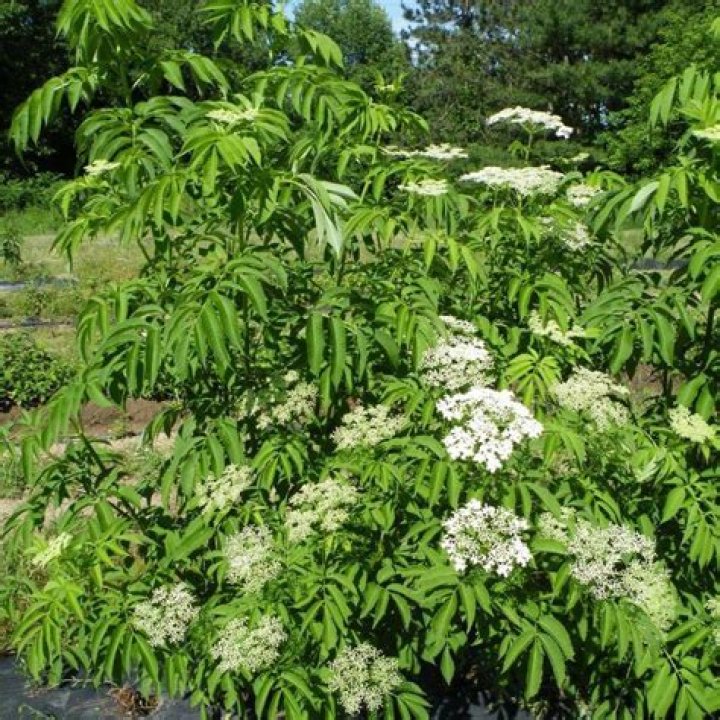
Asiatic jasmine ground cover
Does Asian Jasmine make good ground cover? Asian jasmine is one of the best ground covers, especially in the Southeast. It is a dense, green ground cover from which plants can spread well. Around the trees is great. To use it as a curb, it is necessary to prune it so that it does not occupy the garden. I can only recommend kindergartens.
Is Jasmine a good ground cover?
Asian ground cover jasmine (Trachelospermum asiaticum) grows on a thick mat with shallow roots. It makes a good topsoil for thick shade and inhabits moist soils as well as sunny, dry slopes. It is hardy in USDA horticultural zones 711, where it is evergreen or semi-evergreen.
How do I care for Jasmine ground cover?
Watering for Jasmine Care ■■■■■■ jasmine flowers should be watered once a week. If you grow jasmine to climb structures such as trellises or fences, it will help you by forming young vines. The amount of solar jasmine requires full sun or partial shade, usually about 6 or more hours of direct sunlight per day for full sun and 2 to 4.
How do you remove Jasmine ground cover?
Before removing the jasmine cover, trim it on the lowest setting of the trimmer for a few days. Pour water over the entire area where the ground cover is located the day before destruction. This is to soften the soil and roots and make them easier to remove.
Does asian jasmine make good ground cover plants
Asian jasmine is not native to the United States and can be a little aggressive, but it makes a fantastic ground cover, especially in shady areas where it would otherwise barely grow. Resistant to drought, impervious to insects and animals, as well as frost. The small brightly colored leaves form a beautiful green carpet.
Is Asiatic jasmine a good ground cover?
Asian ground cover jasmine (Trachelospermum asiaticum) grows on a thick mat with shallow roots. It makes a good ground cover for dense shade and inhabits moist soils as well as sunny, dry slopes.
How do you plant Asian Jasmine in the shade?
Asian jasmine tolerates a wide range of light conditions, from full shade to full sun. Usually in hot, dry locations, plant it in a partially shaded spot for best results, although you can plant it in a sunnier location as long as it is watered regularly and the temperature isn't too extreme.
 Can Asiatic jasmine grow in pots?
Asian jasmine is salt tolerant and can be grown in coastal areas. This versatile plant can even be grown in pots and hanging baskets. An unusual Asian jasmine named Ogon Nishiki, photographed at Joy Creek Nursery in Oregon. Asian jasmine is easy to care for and maintains its beauty all year round.
 What kind of Jasmine grows in Japan?
T. asiaticum 'Kiifu Chirimen', a dwarf Asian jasmine whose small leaves turn bronze-copper and mature to a silver-tin-green color, native to Japan. Another cultivar from Japan is T. asiaticum 'Gold Brocade' or 'Ojon Nishiki'. It has variegated foliage that turns red and orange, then turns gold and dark green.
 What makes a good ad?
They believe that good ads are ads written and designed to create an emotional connection with their target audience. Once the connection is established, your advertising rhetoric convinces consumers that they want a product or service. The person realizes the need for this and feels the urgency until the purchase is made.
How do you make a good advertising campaign?
Make it unforgettable. 1 What matters most is how consumers feel, not what they think. If they like your brand, then you've done your job. 2 Getting the reader's attention is especially helpful when you have something to say. 3 Know the difference between controversial and entertaining.
 How to write an advertisement for a business?
Create ad copy 1. Create a catchy and eye-catching slogan. Be short and sweet, the average product needs no more than six or seven. 2. Make it memorable. Your message should be a priority when a consumer buys. The second is your ad. 3. Use a persuasive technique.
What makes a good advertisement copy?
Your ad copy should be creative, concise, and easy to read, as well as contain engaging and relevant content. Avoid using jargon or excessive amounts of information that doesn't directly contribute to the overall message of your ad. Without a compelling call-to-action, your ad probably won't deliver the results you expect.
 What are the different types of jasmine plants?
There are deciduous, perennial and semi-perennial jasmine plants whose floral aromas range from intense to nonexistent. Not all 200 species are commonly grown or offered, but there are many varieties. The three most commonly cultivated jasmines are common jasmine, winter jasmine and Arabian jasmine.
 How do I make Google to be my default search engine?
Make Google your default search engine. Google Search is installed but not set as the default search engine. Using Google by default: Click the Tools icon in the right corner of your browser window. Select Internet Options. On the General tab, locate the Search section and click Settings.
 How to set Google as default search engine?
- Open Chrome on your computer.
- Click on "Advanced Settings" in the top right corner.
- In the Search Engine section, next to the search engine used in the box in the address bar, click the Down arrow.
- Choose a new default search engine.
- If you've tried modifying your search engine and it doesn't work, you may have malware. Get help restoring Chrome settings.
Purple flowering tree identification
How do I set search engine default?
Open the Microsoft Internet Explorer browser. Click the arrow to the right of the search box or search icon. Click Manage Search Engines. Select your new default search engine, click Set as default, and then click Close.
 How do I create a custom search engine?
- On the programmable search engine home page, click Create Custom Search Engine or New Search Engine.
- In the Sites to Search box, enter one or more sites to include in the search results.
- In the Search engine name field, enter a name that identifies your search engine.
- When you're done, click Create.
Does asian jasmine make good ground cover for dogs
Occurs mainly on the ground but climbs a foot or two above tree trunks. Yes, it resembles Asian jasmine. The ASPCA website says that jasmine, star jasmine (also known as Confederate jasmine), and Malagasy jasmine are not toxic to horses, cats, and dogs, so that's a good sign.
Can Jasmine be used as a ground cover?
They often grow on mounds 6 to 10 feet tall with long, spreading branches, or find something to climb. However, there are some artificial jasmine that can be used as a ground cover in large areas, and a true jasmine that works well as a ground cover in small landscapes.
Will Asiatic jasmine grow in the US?
Asian jasmine is not native to the United States and can be a little aggressive, but it makes a fantastic ground cover, especially in shady areas where it would otherwise barely grow. Resistant to drought, impervious to insects and animals, as well as frost. The small, brightly colored leaves form a beautiful green carpet. Have you grown Asian jasmine?
Are creeping zinnia and star jasmine toxic to dogs?
Creeping zinnia and star jasmine are two non-toxic vines that have very good sun exposure and pose no danger to your dog.
How far apart do you plant jasmine ground cover?
Works best as a ground cover in large landscaped areas where multiple plants can be planted 3-6 feet apart. This jasmine-like ground cover grows in full sun to partial shade and is drought tolerant one to two years after planting.
Does asian jasmine make good ground cover for full sun
Asian ground jasmine grows best in full sun or partial shade. In very hot climates with desert conditions, a partially shaded location is preferred. Spring and fall are the best times to plant woody vines, but they can also be planted in winter in temperate climates.
 Will Asian Jasmine grow in full sun?
Asian jasmine thrives in full sun, partial sun and even shade. As you can see, this is a robust and versatile plant for any garden. Many plants do not grow well in shade, but Trachelospermum asiaticum will do well. Don't worry too much about the light.
How do you care for Asian Jasmine in the winter?
Asian Jasmine Watering Care Instructions: Do not water the plant at night, especially in winter. Water in the soil can freeze and damage roots. Once rooted, Asian jasmine can tolerate a wide temperature range. It likes full sun and also grows in cooler shade.
How do you plant Asian Jasmine on a beach?
If the planting site you have chosen does not contain organic matter, amend it before planting by adding about 6 to 8 inches of well-cured compost or well-cured fertilizer to the planting site about 12 inches deep. Asian jasmine can also tolerate salty conditions if not planted on the beach.
 Do birds like Asian jasmine plants?
Asian jasmine is a beautiful plant with fragrant flowers and glossy evergreen leaves. And the birds love it too. It is versatile, it can be used as a ground cover, climber or even in a hanging basket. Evergreen leaves turn a nice brown color in cold climates.
Does asian jasmine make good ground cover for hillside
Asian jasmine is ideal for use as a ground cover for massaged erosion control on sunny or shady embankments, slopes and slopes. It is ideal for use under large shaded canopies, decks or other aerial structures.
 Does star Jasmine grow in full sun?
This jasmine-like ground cover grows in full sun to partial shade and is drought tolerant one to two years after planting. Trachelospermum asiaticum, commonly known as southern dwarf jasmine and small-leaved southern jasmine, is similar to star jasmine.
 Should I plant jasmine in pot or ground?
- Fill the pot with well-draining potting soil. Jasmine needs well-draining soil.
- Place the pot in a partially shaded spot. Jasmine prefers warm temperatures (minimum 16°C) and a few hours of shade to grow.
- Plant a seed or jasmine in a pot.
- Water the jasmine immediately after planting.
What are the names of ground cover plants?
Although they spread slowly, they are usually large enough to repel weeds, and you can combine them with another type of ground cover to fill in the gaps. Plants in this category include daylilies, hosts, hellebore, oregano and catnip. Some propagate well by self-seeding, especially the perennial geranium and mantle.
 Is jasmine a good ground cover for shade
Asian jasmine is a fast-growing, dense ground cover that thrives in sun or shade. This plant is low maintenance, trim the edges occasionally to give it a neat look.
 What is the best ground cover for Jasmine?
Vegetable cover jasmine. Caroline jasmine and star jasmine grow well in sun or partial shade, while Asian jasmine prefers ground cover jasmine grown under trees or on the north side of buildings. While Asian jasmine is primarily used as a shade soil, it also grows well in full sun and partial shade.
Does jasmine like sun or shade?
Shade loving jasmine plants. While some jasmine plants, such as winter jasmine, can tolerate shady conditions, star jasmine likes shade. It is a versatile plant with the ability to act as a ground cover, ideal for use in areas with little sun exposure.
How do you remove jasmine ground cover care
Star jasmine treatments are minimal. Star jasmine grows in a wide variety of soils and although they bloom best in full sun, they thrive in partial shade and can tolerate even strong shade. When using as a ground cover, space the star jasmine one and a half feet apart.
 What does a star jasmine plant look like?
The flowers are pure white, pinwheel-shaped and have a wonderful fragrance. Star jasmine treatments are minimal. Star jasmine grows in a wide variety of soils and although they bloom best in full sun, they thrive in partial shade and can tolerate even strong shade.
 Good ground cover plants
Succulents that make good ground cover include the slow-growing varieties of Senecio serpens with impressive blue leaves, Kalanchoe, Sempervivum, Sedum, and Echeveria. Pod Garden Layout and Landscape 4. Kidney Weed (Dichondra repens) This evergreen perennial is native to Australia and New Zealand (where it's known as a Mercury Bay weed).
 What is the fastest growing ground cover plant?
Time limit. The fastest growing shady soils are lily of the valley, gout and ermine (Ajuga reptans), which need moist but well-draining soil. It may take several seasons for native forest plants to form and disappear after the spring bloom, such as during the spring season. B. Lily orel, Jackinthekanzel and Trillium.
What is the best ground cover?
The best ground covers are low maintenance, stop erosion, cool the soil and beautify the landscape.
What is the best ground cover for garden?
Woody mulch and bark clumps are the preferred topsoil for most ornamental beds. A 2-inch-deep layer traps weeds and helps insulate the soil, adding a decorative look to dormant flower beds. Wood mulch slowly disintegrates.
Is jasmine a good ground cover plants
Gardeners in warm climates (USDA zones 810) can grow star jasmine as a top layer where it overwinters. This is ideal because star jasmine can grow slowly at first and takes time to take root. When fully grown, it reaches a height and width of 3 to 6 feet (12 m).
Good ground cover for sun
Sea lavender (Stachys byzantina) is one of the best ground covers for sunny locations. This aptly named ornamental plant has dense silvery foliage that nicely covers the soil. Most often, this perennial is used to mark sidewalks or flower beds. Fluffy silver-gray leaves 5-10 cm long.
 What is the best ground cover for sunny areas?
The best ground cover for a sunny position. Ground cover plants are usually only 1 to 2 feet tall, but vary in length. Small construction sites benefit from 1-3 feet of clearance, while large construction sites with hills and significant bare areas benefit from ground cover with 4 feet or more of clearance.
What is a quick growing ground cover?
The fast-growing ground cover is ideal for hard-to-reach places in your garden, such as under trees. As a bonus, fast-growing ground cover can be a relatively maintenance-free option for keeping weeds from spreading. For best results, choose a suitable ground cover for your area.
Is jasmine a good ground cover for dogs
The multiple vines, often used as ground cover, won't hurt your dog if they bite. Creeping zinnia and star jasmine are two non-toxic vines that have very good sun exposure and pose no danger to your dog. Creeping zinnia (Sanvitalia spp.) is a cheerful plant with bright yellow flowers and dark green foliage.
 Are jasmine plants safe for dogs?
Jasmine plants produce fragrant flowers and are often used in landscaping. Pet owners should take extra care when choosing plants that are not toxic to animals. Jasmine is safe for gardens and animal yards because it is a non-toxic plant. Jasmine plants are not poisonous to animals.
 Is star jasmine a hardy ground cover?
Star jasmine. It is hardy only in zones 8 to 10. Star jasmine naturally grows 3 to 6 feet tall, but when cut down to 2 feet, it makes a sturdy ground cover. Works best as a ground cover in large landscaped areas where multiple plants can be planted 3-6 feet apart.
Is Tracy Hodge Jasmine poisonous to dogs?
Written by Tracy Hodge. Jasmine plants produce fragrant flowers and are often used in landscaping. Pet owners should take extra care when choosing plants that are not toxic to animals. Jasmine is safe for gardens and animal yards because it is a non-toxic plant. Jasmine plants are not poisonous to animals.
 Is jasmine a good ground cover for hillside
It is used as a ground cover on slopes and large gardens. This jasmine is best suited to a planting site that receives six to eight hours of direct sunlight per day, but will only grow in shade with four hours of direct sunlight.
 What is the best ground cover for a hillside?
Below are 11 of the best plants for covering slopes and hills, creating beauty and strength. St. John's wort can grow to a height of 1 to 2 feet. The bright yellow flowers appear in full sun in spring and early summer. deciduous. Creeping raspberry is a fast-growing but non-invasive ground cover. Rough evergreen foliage.
 What are the best shrubs to plant on hillsides?
Dwarf varieties work especially well on slopes. It is deer resistant and loves the sun. The spreading branches hastily cover the ground and the small white flowers turn into red fruit later in the season. This slow-growing shrub is an excellent choice for covering slopes quickly. Cotoneaster grows best in full sun.
Is jasmine a good ground cover for full sun
Star jasmine grows in a wide variety of soils, and while they bloom best in full sun, they thrive in partial shade and can tolerate even strong shade. Space the star jasmine six feet apart if you're using them as a ground cover. Click here for a full answer.
Can star Jasmine grow in full sun?
In areas cooler than zone 8, consider planting Star Jasmine in a pot that can be brought indoors during the colder months, or treat it as an annual. Star jasmine grows in a wide variety of soils and although they bloom best in full sun, they thrive in partial shade and can tolerate even strong shade.
Does Carolina jasmine grow in sun or shade?
Carolina jasmine and star jasmine grow well in sun or partial shade, while Asian jasmine prefers ground cover jasmine grown under trees or on the north side of buildings. While Asian jasmine is primarily used as a shade soil, it also grows well in full sun and partial shade.
Is jasmine a good ground cover for slopes
The best fast-growing ground cover for slopes is Asian jasmine. For relatively flat areas: or for level platforms on a slope, dig at least 15 cm deep and process 23 cm of organic matter such as rotted manure, compost, leaf mold or peat.
What are the best ground cover plants for sandy soil?
Creeping phlox is a beautiful evergreen flowering plant that also likes well-drained sandy soils, but in their opinion is more attractive than juniper. Carolina jasmine and Asian jasmine are also great ground covers for sunny areas.
What is the fastest growing ground cover for a slope?
15 slopes of fast growing ground cover. 1 1. Musflox (Phlox subulata) 2 2. Creeping phlox (Phlox subulata) 3 3. Dander (Galium odoratum) 4 4. Wild European ginger (Asarum europaeum) 5 5. Pink cheddarolitan (Dianthus gratianopus).
 How do you prune Jasmine ground cover?
A little pruning in the spring prevents this vine from climbing trees, shrubs and buildings. When pruning ground cover jasmine, sharp pruning shears should be used to carefully cut each branch. When the ground cover has grown, the plant can be pruned to the desired height and area with a large pair of scissors.
Where should I plant jasmine?
Plant jasmine near windows to allow the scent to permeate your room throughout the day. They give a lot, but ask so little in return. Jasmine is one of the easiest plants to maintain in your garden. Moist, well drained.
How do you get rid of Jasmine clippings?
Collect the jasmine cuttings and put them in a garbage bag. Tie the bag tightly and toss it in the trash. Cuttings left in the ground can germinate or propagate seeds. Set the cultivator on the edge of the jasmine soil and set the blade depth to a minimum of 5 inches.
 Will Jasmine kill a ground cover?
The Asian jasmine species, also called Asian jasmine, is an undersized species used as a ground cover. The plant is extremely hardy and grows quickly. Unfortunately, rapid growth sometimes crowds out other plants and gets out of hand. Eradication of jasmine from ground cover requires both mechanical and chemical removal methods.
How do you plant Asiatic jasmine ground cover?
Asian ground cover jasmine (Trachelospermum asiaticum) grows on a thick mat with shallow roots. Remember that Asian jasmine has very shallow roots and is easy to remove if the roots are weakened. Hit the ground around the first section with a shovel.
 How do you remove jasmine ground cover florida
Use a lawnmower or trimmer to trim the jasmine soil layer to an inch above the ground. Collect jasmine cuttings and place them in a garbage bag. Set the cultivator on the edge of the jasmine soil and set the blade depth to a minimum of 5 inches.
How do you get rid of Jasmine ground cover?
Eradication of jasmine from ground cover requires both mechanical and chemical removal methods. Use a lawnmower or trimmer to trim the jasmine soil layer to an inch above the ground. Collect the jasmine cuttings and put them in a garbage bag.
 How do you get rid of Asiatic jasmine roots?
Rake exposed areas with a rake and remove any roots or bits of Asian jasmine ground cover left on the ground. Level the soil with a leaf rake and remove other pieces. Manually remove new shoots that may grow later in the season.
 Is Jasmine a good ground cover in Florida?
Asian Jasmine Asian Jasmine is a woody, evergreen, burgundy plant that is widely used in Florida landscapes for its drought resistance and tolerance. Native to Japan and Korea, Trachelospermum asiaticum is an easy-care ground cover ideal for mass planting and as an alternative to grass.
How big does a jasmine plant get in Florida?
The vines spread slowly on the ground, forming a thick, tangled blanket. The leaves grow in opposite pairs and grow up to 12 inches long. The plant grows at least 3 feet wide and 6 to 18 inches tall. Asian jasmine has small yellow pinwheel-shaped flowers, but rarely blooms in Florida.
 How do you remove jasmine ground cover in texas
Pick the first branch of Asian jasmine from the ground by grasping the tops of the plants and pulling it towards you. Rake exposed areas with a rake and remove any Asian jasmine roots or bits left in the soil. Level the soil with a leaf rake and remove other pieces.
How do you get rid of Asian Jasmine in the ground?
It is best to remove jasmine from ground covers. Asiatic jasmine can be cared for by cutting it three inches off the ground in late winter with a lawnmower on the highest setting. Asian jasmine can sometimes become too strong and should be removed. Water the area where the jasmine will grow liberally the day before removal.
 Is minima Jasmine a good ground cover?
"Minimal," as it's often called in the field, is a dense, durable ground cover that will inhibit weed growth, even if it looks good in your yard. Minima Jasmine does not need a lot of water and is very carefree, except for the occasional slice.
 How do you plant minima Jasmine seeds?
Minima Jasmine can be planted in full sun or shade. For a successful planting, it is best to cover the ground first, especially if you have little soil, such as under an oak. With 2-inch screens, you hardly need any tools to spread the topsoil. Just squeeze the cage and remove the plant.
Do you ship minima Jasmine to Texas or Louisiana?
They are not shipped to Texas or Louisiana due to plant import restrictions. Jasmine Minima is one of the most popular ground covers in the Tampa Bay area. It is very versatile and requires little maintenance after installation. Minima Jasmine can be planted in full sun or shade.
 Can you plant Asian Jasmine in Texas?
Texas, with an average of several inches of rainfall per year and an average temperature of 0 F, is ideal for planting an innovative or improved local ground cover. Asian jasmine is most popular in Texas and the Southwest, making Asian jasmine a durable and inexpensive ground cover.
How do you prune Asian Jasmine?
Mercilessly cut the stems of the plant or cut the stem of the plant to remove all leaves and stems. It can be daunting because there is foliage needed to make food on. The Asian jasmine problem kills the leaves and stems, either by pruning jasmine vines or spraying the herbicide, which doesn't kill the roots.
 How do you get rid of Jasmine in your yard?
Treat new signs of growth with an herbicide containing glyphosate until the liquid runs off the jasmine plants. Wait four weeks and reapply the herbicide to the area to make sure all jasmine soil is ■■■■.
 How do you remove jasmine ground cover picture
Use a lawnmower or trimmer to trim the jasmine soil layer to an inch above the ground. Collect jasmine cuttings and place them in a garbage bag. Tie the bag tightly and throw it in the trash.
How do you kill Asiatic jasmine?
It is difficult to try to remove Asian jasmine herbicide, such as glyphosate, because the leaves have a waxy layer that repels liquids. Manual removal is by far the easiest and fastest way to remove the Asian jasmine form of ground cover.
What is the best fertilizer for Jasmine?
A long-lasting fertilizer applied to each plant once in the spring provides the jasmine ground cover with enough nutrients for the growing season. A balanced recipe of 101010 or 1248 works well. Beginning in the spring of the first year, Asian jasmine can be fertilized every four to six weeks to promote rapid growth.
How do you remove jasmine ground cover around trees
Eradication of jasmine from ground cover requires both mechanical and chemical removal methods. Use a lawnmower or trimmer to trim the jasmine soil layer to an inch above the ground. Collect the jasmine cuttings and put them in a garbage bag. Tie the bag tightly and toss it in the trash.
How do you get rid of Asian Jasmine roots?
Wrap discarded plant material and place in plastic bags or dispose of in a secluded part of the site, as Asian jasmine can be propagated by cuttings. Dig out as many roots as possible, loosen them with a rake or cultivator, then pull them out of the ground by hand. Seal the roots in plastic bags.
How long does it take for Jasmine to spread?
Hanging jasmine can also grow on walls and trellises. The ground cover jasmine, also called Asian jasmine and belonging to the species Trachelospermum asiaticum, is a creeper that walks on the ground. It takes six months to a year for this woody vine to effectively spread over an area.
 Is Asian Jasmine a low growing plant?
Jasmine comes in many varieties, some grow upright and some grow low. The Asian jasmine variety, also called Asian jasmine, is a common undersized variety used as a ground cover. The plant is extremely hardy and grows quickly. Unfortunately, rapid growth sometimes crowds out other plants and gets out of hand.
How do you care for Snow N Summer Asian Jasmine?
SnowNSummer™ Asian Jasmine grows best in full sun or partial shade and prefers medium to moist conditions. This plant needs periodic maintenance and should be pruned after flowering. Asian jasmine can be planted outdoors in planters and containers.
What does snow N summer jasmine look like?
Snow N Summer is a famous Asian jasmine with bold tricolor foliage that graces shady areas of the garden. The new shoots take on a striking pink to pink color and then turn completely white. After that, the white leaves turn dark emerald green with white spots.
Is Asian Jasmine an evergreen?
A cute evergreen foliage of SnowNSommer Asian Jasmine is a dreamy ground cover or climbing vine. Over time, this jasmine will go on and redraw itself, which is a great feature of this plant!
Does Asian Jasmine change color in summer?
Get a spectacular makeover in your garden as this Asian jasmine changes in summer and winter. This evergreen ground cover produces small, fragrant white flowers from late spring to early summer, and the foliage changes from green to pink in spring.
Is ground cover evergreen?
Evergreen ground covers are varieties that thrive in sunny, shady or semi-sun/shady spots. For best results, select the correct type of evergreen ground cover for the desired area, both in size and in the amount of sunlight needed.
Is ground cover perennial?
A favorite among ground covers, this perennial is known for its fuzzy foliage. The leaves and stems are thick, silver, covered with felt. Plants can grow up to 10" high and 30" wide with multiple flowers.
How to grow confederate jasmine?
Confederate jasmine can also be grown indoors in a container, although significant pruning or breaking down may be necessary to save space. When grown indoors, this plant prefers temperatures between 70 and 75 F and should receive a minimum of six hours of direct sunlight. Place your potted plants outside in the sun if possible.
How fast does Confederate Jasmine grow?
Confederate Jasmine is an extremely aromatic, fast-growing vine that can grow to 12-15 feet in 24 years.
 What is the most fragrant jasmine plant?
The Spanish jasmine or Jasminum grandiflorum is one of the most aromatic jasmine plants. Primrose jasmine or Jasminum mesnyi is another highly aromatic plant in the jasmine family. Star jasmine is one of the most fragrant plants out there, but it's not actually jasmine at all.
 Does the jasmine plant produce seeds?
In late summer, jasmine plants produce seeds in the form of bean-shaped pods, which should be watched closely if you plan to plant them for seedlings. These jasmine seed pods can pop open when the pod is ripe and spill the seeds in all directions. If you catch the ripe pods before they open, you can save the seeds.
 How to plant asiatic jasmine
Asian jasmine can be planted at any time of the year. At the same time, the optimal time is autumn. The onset of spring will be the next best time. If you are planting in the heat of summer, regular watering during dry spells is required. Once irrigation is established, periods of drought can be minimized as long as the soil is not sandy.
What will kill Asiatic jasmine?
In the fall, on a day with little wind, spray a liquid herbicide on the Asian jasmine growing area if the plants continue to emerge. Use a broadleaf herbicide such as triclopyr or dicamba and keep the sprayer close to the ground to prevent drift. Just wet the leaves of the plant.
 How often do you water a jasmine plant?
In the heat of summer, you may need to water your jasmine every two to three days, or whenever the top half of the soil dries out. Feeling that the soil is the best indicator that some soils hold water better than others; they usually don't need to be watered as often.
Is jasmine plant poisonous to humans?
Jasmine. Consuming jasmine doesn't cause the more severe symptoms associated with poisoning, but it can cause gastrointestinal symptoms. Nausea, vomiting and diarrhea are the most common consequences of eating plants. Animals, just like people, can have an allergic reaction after eating the plant.
Snow in summer asiatic jasmine
Jasmine Snow N Summer Asian is exceptionally easy to grow. It tolerates many soils, including loams, but prefers moist but well-drained loam soils and spreads more quickly to them. It tolerates temporary flooding, but does not like constantly wet or damp soils. This one likes living in the shade.
 What is Snow-N-Summer™ Asiatic jasmine?
Summer flowers give way to evergreen foliage year-round, making SnowNSummer™ Asian Jasmine popular in horticulture season after season. SnowNSummer™, with its white jasmine blooms and crisp foliage growing in a vibrant shade of pink and white, is a talker unlike many other matte and firm ground covers.
Can you plant snow Jasmine under a tree?
This shade-flowering ground cover is ideal for bare areas where generally only host plants can be grown. Plant a SnowNSsummer under a tree to spark interest and enhance your landscape. This jasmine is ideal for container gardens. It can be placed on a small trellis or it can grow and flow naturally.