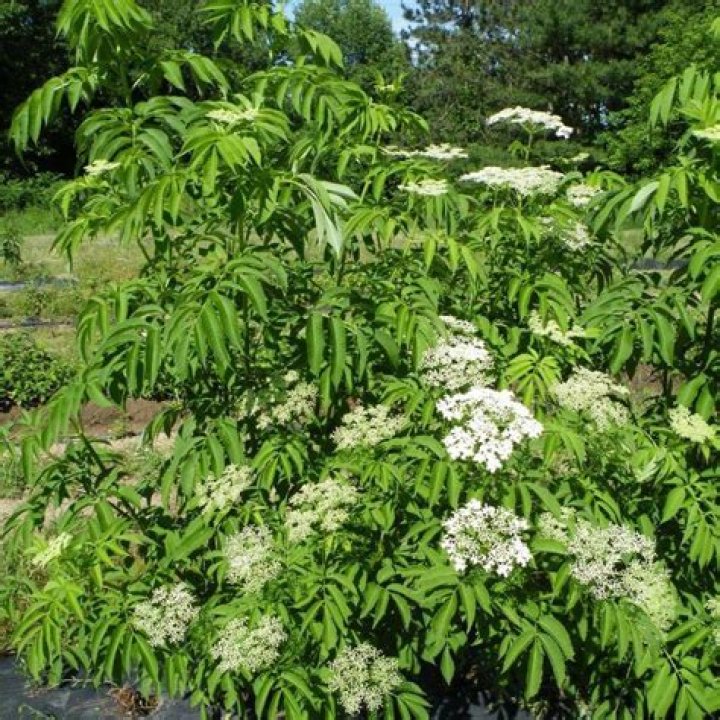
What plants benefit from coffee grounds?
- tomato plants To get big, juicy tomatoes, you can use old coffee grounds as fertilizer.
- Rose bush. Many gardeners pride themselves on their ability to grow colorful and fragrant roses, and using coffee grounds as fertilizer or mulch makes this easier.
- Onion.
- Rhododendron.
- Blueberries.
What plants will grow with coffee grounds?
Best Companion Plants for Coffee, Potatoes, Beans, Cabbage, Soybeans, Peanuts
What are the benefits of coffee grounds for plants?
Coffee grounds are a good source of nitrogen, calcium and magnesium, which are very beneficial for plant growth. They are also useful for compost heaps. Coffee helps maintain nitrogen balance, which promotes the breakdown of organic matter.
How often to add coffee grounds to my plants?
Add 2 cups of used coffee grounds to a 5-gallon bucket of water. Let the tea steep for several hours or overnight. You can use this mixture as a liquid fertilizer for garden and potted plants. It is also an excellent foliar fertilizer that can be sprayed directly on the leaves and stems of plants. Add coffee grounds to the worm basket weekly.
Which flowers like coffee grounds?
- Bugbane
- Calla
- Crinum
- elephant ear
- Forget-Me-Not
- Hibiscus
- Iris
- lily of the valley
- Marigold
- Meadowsweet
What plants can be fertilized with coffee grounds?
When used as a plant fertilizer, coffee grounds can replenish soil acidity often lost in potted and ■■■■■■ plants. Coffee grounds are best for plants that need acidic soil to grow, such as roses, blueberries, azaleas, and tomatoes.
 Which plants like coffee grounds?
- Roses
- Blueberries
- Azaleas
- Carrots
- Radishes
- Rhododendrons
- Hydrangeas
- Cabbage
- Lilies
- Holly
What are the good and bad health effects of coffee?
The health effects of coffee are controversial. Despite what you may have heard, there are many good things to say about coffee. It is rich in antioxidants and has been linked to a reduced risk of many diseases. However, it also contains caffeine, a stimulant that can cause problems and interfere with sleep in some people.
How can coffee improve your health?
Coffee may reduce the risk of gallstones, prevent colon cancer, improve cognitive function, reduce the risk of liver damage in people at high risk for liver disease, and reduce the risk of Parkinson's disease. Coffee has also been shown to increase endurance during prolonged physical activity.
 How does coffee affect your health?
Caffeine can raise blood pressure, as well as blood levels of the chemical adrenaline (also called epinephrine), according to Lane. Coffee may counteract several risk factors for heart attack and stroke. First, there is a potential impact on the risk of developing type 2 diabetes. Type 2 diabetes increases the risk of heart disease and stroke.
 Is coffee good or bad for my health?
Although it has been demonized in the past, the truth is that coffee is usually good for you. Numerous health benefits are attributed to it, mainly due to its content of antioxidants and other active substances. However, the specific health effects of decaf coffee can be difficult to determine.
Are coffee grinds good for plants?
The coffee grounds used as fertilizer are slightly acidic and rich in nitrogen, a mineral that promotes the growth of vegetables and plants. Coffee grounds are especially good for tomato plants that feed on nitrogen.
 What plants like coffee grounds for fertilizer?
Plants that can really benefit from coffee grounds include roses, blueberries, tomatoes and evergreens, gardeners say. These are plants that thrive on the nutritional value of used or unused coffee grounds added to the soil. In particular, these soils add texture and fertility to the soil, which helps to attract earthworms.
 What plants can you put coffee grounds on?
Blueberries, lingonberries and citrus fruits such as coffee are added to the soil. Other coffee-loving plants include camellias, gardenias, rhododendrons and virea. Some flowering plants will produce multicolored flowers in acidic soil. For example, adding coffee grounds to hydrangeas is good for blue flowers.
Which vegetables like coffee grounds?
Yes, work with potting soil around plants such as tomatoes, roses, azaleas, blueberries, leafy greens and carrots. They plow ground coffee around their tomatoes, cucumbers and basil in their garden.
 What plants is coffee grounds good for?
Coffee grounds are especially good for tomato plants that feed on nitrogen. When planted, the soil creates a naturally acidic form of bacteria that encourages the growth of acidic plants such as tomatoes, roses, blueberries, and evergreens.
What plants will grow with coffee grounds in pa
Houseplants such as philodendrons, jade plants, Christmas cacti, cyclamen and African violets work best with coffee grounds. What does ground coffee do? Coffee grounds act as a natural fertilizer for plants. They are often used for composting and in outdoor gardens because they keep the soil healthy.
 What plants like coffee grounds?
Plants that love coffee grounds fall into four categories: Garden plants, especially acid-loving plants such as azaleas and camellias. Vegetables such as tomatoes and potatoes. Fruit bushes such as blueberries and lingonberries. Houseplants such as rhododendrons and African violets.
What kind of soil do you need for a coffee plant?
Soil Requirements: Well-draining soil, rich in organic matter, consistently moist. Freshly ground coffee: only use ground coffee, (also) does not like acidic soil. For best results, use ground coffee from small acid bushes.
 Can You compost coffee grounds?
Many gardeners use coffee to grow their plants, but use it with caution. As with other uses of coffee, soil composting must be done under the right conditions and with the right knowledge. Here are the main pros and cons of using ground coffee, and ultimately whether they're good for your plants.
Can gardenias grow on coffee grounds?
If you want to grow an enchanted plant, it's a good idea to give it coffee grounds to help it flower. Widely prized for their strong fragrance, gardenias are rare flowering plants that can withstand low temperatures. Some species can even survive at 18 degrees Celsius.
How do you use coffee grounds on plants?
Follow these tips for adding coffee grounds to the soil if your plants are already in the ground. Allow the soil to cool before adding it to the soil. Apply only a thin layer, less than 1/2 inch, or sprinkle soil lightly over the ground. Cover coffee grounds with a layer of organic mulch such as shredded B. leaves or wood chips.
 How do coffee grounds affect plant growth?
While liquid coffee is bad for plant growth, ground coffee has the opposite effect. Coffee grounds are rich in potassium, which attracts earthworms. Earthworms, in turn, produce nitrogen, which benefits all plant species.
What are the best uses for coffee grounds?
Use the coffee grounds as an insecticide. Because of its strong odor, it is an excellent snail repellent that acts as a deadly control agent for snails, ants and other insects or pests. 4. Cosmetic procedures. Coffee grounds contain powerful antioxidants that protect the skin from free radicals and reduce the risk of skin cancer.
Are coffee grounds good for plants?
- Coffee grounds are a great substitute for mulch! This will help keep your plants healthy and hydrated.
- Coffee grounds can keep pests away from houseplants, especially snails!
- Coffee grounds are most commonly used to grow houseplants as fertilizer because they are rich in nutrients.
How does coffee effect your health?
According to the Linus Pauling Institute, coffee consumption is associated with elevated levels of homocysteine in the blood, which is a risk factor for cardiovascular diseases such as stroke, heart disease and peripheral vascular disease.
 Is coffee good or bad for your health?
Coffee is a great source of antioxidants that help protect cells from damage. Higher intake of coffee, both decaf and decaf, has been associated with a lower risk of all-cause death, including death from heart disease, nervous system disorders and suicide.
How often to add used coffee grounds to my plants?
Supplement your weekly application of coffee grounds with a monthly tea fertilizer application. Place 1 cup of decomposed manure or old compost in a cloth bag. Close the bag and submerge in 1 gallon of water. Leave it for three days, then remove the nutrient pack and apply the tea directly to the soil.
 What does coffee grounds do to plants like tomatoes?
Is ground coffee good for tomatoes? Supports tomato growth. Coffee grounds are a good idea because they are a rich source of nitrogen. Great for compost. Mixing coffee grounds with lime, crushed leaves and wood ash creates a rich compost. Protect your soil and your plants. Complementary services. More possibilities for using ground coffee in the garden.
What are the bad effects of drinking coffee?
- Bad coffee can be poisonous. Poor quality coffee can contain many impurities that cause nausea, headaches or general malaise.
- Coffee can be deadly. Yes, if you drink 80100 cups (23 liters) in one sitting.
- Coffee can cause insomnia and anxiety.
- Do not drink more than one cup a day during pregnancy.
 What are the bad things about drinking coffee?
According to the Mayo Clinic, the caffeine in coffee can have several negative effects, including: B. Temporary insomnia, nervousness, anxiety, irritability, stomach problems, heart palpitations and muscle tremors.
What are the dangers of coffee?
- There is conflicting evidence linking coffee consumption to heart disease.
- Coffee disrupts the work of blood vessels, both in terms of swelling and tone.
- Coffee affects the nervous system, heart rhythm and is associated with irregular heartbeat.
What are the advantages of drinking coffee?
- Reduces muscle soreness Two cups of coffee can reduce muscle soreness by up to 48% after a workout.
- Increase your fiber intake A cup of brewed coffee contains up to grams of fiber above the recommended 2038 grams.
- Protection against liver cirrhosis Of course you can easily reduce your alcohol consumption.
 What will coffee grounds do to my soil?
Coffee grounds improve the soil in your garden. Soils make it easy to work the soil, which is useful for vegetable gardens. Coffee grounds attract worms to your garden. Adding them to the soil provides the worms with an additional food source.
 How do I use coffee grounds?
Using coffee grounds as a soil improver Add coffee grounds to your compost. Add soil immediately to increase acidity. Try adding lime to balance the pH of the coffee. Use coffee grounds to add nutrients to the soil. Prepare liquid plant food if necessary.
Can you use coffee grounds as potting soil?
Sprinkle coffee grounds on the surface of the potting soil around the base of the plant to repel insects and snails. Cover coffee grounds with leaves, bark or compost mulch, as coffee grounds will dry out and can repel water.
What are the benefits of using coffee grounds in your garden?
Coffee grounds are organic matter and organic materials help to improve soil quality. The slow build-up of organic matter prevents water from collecting around plant roots.
Do coffee grounds absorb water from soil?
Coffee grounds absorb water from the ground much better than water from a tap or garden hose. This is because ground coffee absorbs water directly from the ground, which is much better than other types of fillers because it has that absorbent ability. Ground coffee also retains moisture in low-water soils, such as desert soil.
Are coffee grounds good for hydrangeas?
The magic of coffee grounds benefits your plants. The color of the flowers improves when you add them to the soil. Adding coffee grounds to the soil will bring out the bright, vibrant colors of the hydrangea. It can be used to make compost, the benefits of these coffee grounds are undeniable.
 Do coffee grounds attract earthworms?
Coffee grounds attract earthworms, which energize the soil and repel snails that destroy your plants. Make an even mix of compost or topsoil with coffee grounds to increase vegetable production. Nitrogen-loving plants feel good when coffee grounds are added to the soil.
 Do coffee grounds make good fertilizer?
Coffee grounds are an excellent source of free nitrogen, an element that all plants need. A common misconception about using coffee grounds as a fertilizer is that it can cause problems because of its high acidity. But coffee grounds are nearly neutral, with a pH between -2, making it a good choice for all plants.
 How do coffee grounds benefit a garden?
With its high nutrient content, coffee grounds can help your garden thrive. They are naturally acidic and rich in nutrients that plants need, such as nitrogen and potassium, which can be very beneficial - a great way to neutralize alkaline soil or enrich nutrient-poor gardens.
 Can you use coffee grounds as fertilizer?
Add 2 cups of used coffee grounds to a 5-gallon bucket of water. Let the tea steep for several hours or overnight. You can use this mixture as a liquid fertilizer for garden and potted plants. It is also an excellent foliar fertilizer that can be sprayed directly on the leaves and stems of plants. Add coffee grounds to the worm basket weekly.
Do coffee grounds improve soil drainage?
Adding coffee grounds to the soil not only improves drainage but also helps aerate the soil. In fact, enriching the soil with organic matter will help improve aeration, allow the roots to better absorb moisture and nutrients, and contribute to the overall health of the plant.
 Are coffee grounds bad for houseplants?
Coffee grounds contain residual caffeine and this caffeine interferes with the normal growth of both seedlings and mature plants. If you have certain young plants or have just planted seeds on them, it is best not to have coffee grounds on hand.
 How much coffee grounds should you put in compost?
Adding a little coffee grounds can improve the soil and compost pile. The general rule is the so-called 20% rule: always add ground coffee with other organic matter, 1 part ground coffee to 4 parts other substances.
How often to add coffee grounds to my plants for winter
Potted plants and hanging baskets benefit greatly from a few tablespoons of coffee grounds every few weeks. Simply sprinkle potting soil over the soil and they will seep with every watering. Feeding Hanging Baskets and Potted Plants in Season Whatever you do, don't remove coffee grounds after you've finished planting.
 Should you rinse coffee grounds before planting?
When you rinse used coffee grounds, they have a near neutral pH and do not affect the acidity of the soil. To use coffee grounds as fertilizer, add it to the soil around the plants. Leftover diluted coffee will also work. You can also use coffee grounds for other things in your garden.
 How do you use coffee grounds as a liquid fertilizer?
Half a cup of coffee grounds mixed with a liter of water is an excellent liquid fertilizer for your plants, whether they are growing in the garden or in pots. Pour the mixture near the base of the plants you want to fertilize. You can use the leftover nitrogen in your coffee grounds.
 Do coffee grounds help plants grow faster?
Too much water causes rot and prevents proper growth of plants. So adding coffee grounds from time to time is a great way to increase the amount of organic matter in your soil; just make sure you mix the soil well with the soil.
 Why should you use coffee grounds in the garden?
Top 11 Reasons Why You Should Use Coffee Grounds In Your Garden Composite Iron Coffee Grounds. Place the caffeine liners in a compost bin. Fertilize with coffee grounds. Add more caffeine coating directly to the soil in your backyard. feed your worms Vermicomposting allows the worms to do their job. Keep unwanted pests away. Fresh Coffee Causes Of Heartburn Supporting Plants And Flowers.
 What are the benefits of coffee grounds in the garden?
Coffee grounds make it easier to work the soil, allowing nutrients to be easily added and absorbed by plants. Other benefits: Coffee grounds are provided free of charge. They retain moisture. They are easy to store. They smell great compared to other natural and organic garden compost/fertilizers.
 How often to add coffee grounds to my plants for garden
You can use coffee grounds, mulch or compost fertilizer about once a month. Its use is recommended in alternation with other fertilizers, as the coffee grounds fertilizer is rich in nitrogen, but lacks other nutrients. Alternating with a balanced fertilizer therefore ensures healthy growth.
How much coffee grounds should you compost?
According to this article, Dr. Linda Chalker-Scott does not make up more than 20% of the coffee grounds in the compost heap. Be careful with coffee grounds. It's tempting to throw a 10-pound bag of used soil around your plants and think you're doing to them what coffee does for you.
Can you use coffee grounds to grow vegetables?
Use fresh coffee grounds. Many vegetables like slightly acidic soil, but tomatoes usually do not respond well to the addition of coffee grounds. In contrast, tubers such as radishes and carrots respond positively, especially when mixed with the soil during planting.
Are used coffee grounds good fertiliser for plants?
- Coffee grounds are great for all plants when mixed with compost or added to soil.
- Garden plants, especially acid-loving plants such as azaleas and camellias.
- Vegetables such as tomatoes and potatoes.
- Fruit bushes such as blueberries and lingonberries.
- Houseplants such as rhododendrons and African violets.
 Can you use coffee grounds as mulch?
Many gardeners like to use coffee grounds as mulch for their plants. Other uses for ground coffee include its use to repel slugs and snails from plants. The theory is that the caffeine in the coffee grounds has a negative effect on these pests, sparing the soil where the coffee grounds settle.
Coffee grounds benefits
If you don't have a garden, the good news is that most houseplants also benefit from the extra nutrients that coffee grounds provide.
What are the uses of coffee grounds?
- Avoid toxic pot and pan abrasives and use a handful of coffee grounds instead.
- Clean non-porcelain sinks (stainless steel, concrete, cast iron, etc.) with coffee grounds.
- Clean old dishes.
- Clean your electric grill or griddle.
- Deodorize with ground coffee.
 What are used coffee grounds good for?
- coffee grounds compost Coffee composting is a great way to use up something that would otherwise take up space in landfills.
- Ground coffee as fertilizer. Coffee grounds used for gardening are not limited to compost.
- Other uses of ground coffee in the garden
How often to add coffee grounds to my plants for growing
You should only add coffee grounds to tomato plants once a week. The amount of ground coffee I recommend is no more than a tablespoon per spice. If you're not sure, consider using less ground coffee, as too much coffee will make it sour.
Coffee grounds definition
According to Wikipedia, coffee grounds are the end result of making coffee beans. They are also known as "used coffee beans". The definition of "residue after brewing coffee" is also used to describe the term "coffee grounds".
What does coffee grounds mean?
After brewing the coffee, the yeast remains in the coffee grounds. plural, plural, the form of a word used to refer to more than one.
 What are the benefits of coffee grounds?
- free ground coffee
- retain moisture
- They are easy to store.
- They smell great compared to other natural and organic garden compost/fertilizers.
Do house plants like coffee?
Houseplants that love coffee. Most houseplants are of tropical origin, where they thrive in the acidic soil of the forest floor. Because their vigorous tropical nature can quickly rob the soil of nutrients, houseplants respond well to the occasional cup of coffee.
Is coffee bad for plants?
Coffee and coffee grounds can be acidic, but because they're so dilute, this isn't a problem unless you water them on the same plant every day. A good rule of thumb is to fertilize and water your plants once a week with a weak coffee solution.
What are coffee plants?
coffee pot. Coffea is a genus of flowering plants whose seeds, called coffee beans, are used to make various coffee drinks and products. This is a member of the craziest family. They are shrubs or small trees native to tropical and southern Africa and tropical Asia.