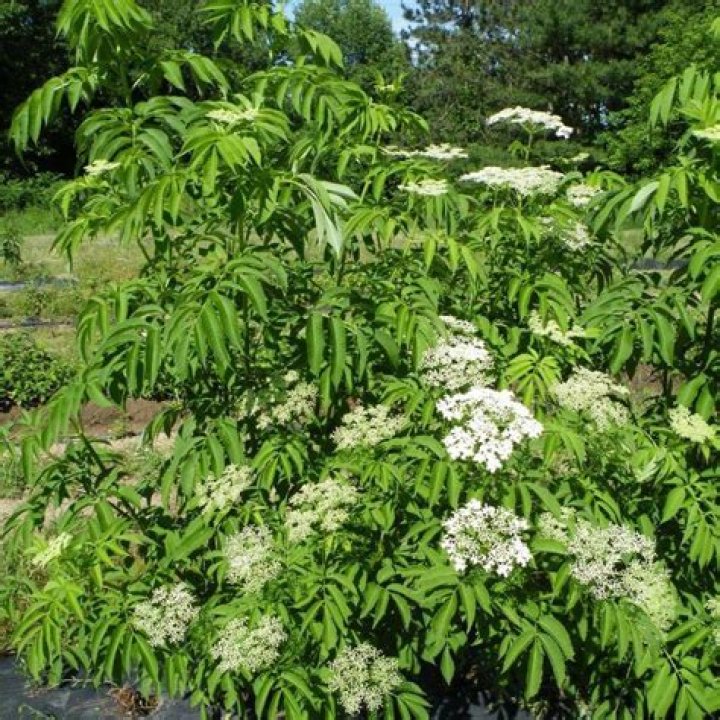
Lantana tree
Is Lantana considered an annual or a perennial plant? Lantana is a perennial found in USDA Climate Zones 9 through 11, according to Arizona State University. It can also be planted as a summer annual in USDA hardiness zones 1 through 8. Lantana can grow as a perennial in warm regions.
How much sun does Lantana need?
Lanthanum needs full sun or at least eight hours of direct sunlight a day. Lantana planted in the shade will not bloom well. Lantanas grow well in a variety of soils and can tolerate salt and low fertility, but require excellent soil drainage.
Why is my Lantana not blooming?
Important points to remember: The reasons why lantana does not bloom are due to lack of sunlight, excessive watering, too much fertilizer or a lantana beetle that may stop blooming. Lantana needs full sun, well-draining soil and warm weather to bloom. Post-transplant shock can prevent lantana from blooming.
Should I plant Lantana plant in spring or fall?
In warm or warm climates, lantanas are generally planted in the spring or fall. However, if frost is the problem, fall planting should be done at least six weeks before the first expected frost. This gives the lanthanum time to hold well before the onset of cold weather.
Will Lantana survive winter?
Most lantana species are considered annuals, but many survive mild winters. Cut ■■■■ branches into the ground in mid-winter, if the plant survives, small shoots will appear at the base of the plant in early spring. Whether on a sidewalk or in a huge plantation, Lantana provides long-lasting color and variety.
Which species of Lantana is perennial?
Lantana. Lantana is a genus of about 150 species of perennial flowering plants in the verbena family, Verbenaceae. They are native to the tropics of the Americas and Africa, but as introduced species they are found in many regions, especially the Pacific region of Australia.
Is lantana considered an annual or a perennial plant in india
Lantana can grow as a perennial in warmer regions. Although it cannot tolerate cold and cannot survive as a perennial in many climates, it is still a good choice as an annual flower. Properties and varieties of lantana flowers.
When to plant Lantana plants?
When to plant. Whether annual or perennial, lantanas thrive in heat and should be planted in the spring, at least two weeks after all dangers of frost have passed. Once planted, they often don't grow or flower until the soil has warmed up.
 Are Lantana annuals or perennials?
Grow lantana as a perennial. Most of the plants they call "annuals" are actually delicate perennials that cannot survive the winter in colder climates. Treat them as annuals, toss them in the compost heap in the fall, and buy new ones the following spring.
How to propagate Lantana?
There are two ways to propagate lantana cuttings: put them in water or plant them in the ground. If you plant roots in water, be sure to top up the water as needed. The roots should start growing in about three to four weeks.
Is lantana considered an annual or a perennial plant in the united states
Lantana is considered a delicate perennial. It is sold as an annual in northern climates and can be considered a perennial in warmer regions. It does not tolerate frost well, and given the cold much of the United States experienced last winter, many gardeners have heard that their lantana plants are dying.
Is lantana considered an annual or a perennial plant in california
Annual in zone 18, perennial in zone 911. Several varieties act as tender perennials in zone 78. Height/Girth: Lantana can reach 2 to 6 feet tall and 3 to 10 feet wide when grown as a perennial. In annual plots, lantana grows 3 to 4 feet tall and 1 to 3 feet wide in one season.
Is Lantana an annual or a perennial?
Whether annual or perennial, lantanas thrive in heat and should be planted in the spring, at least two weeks after all dangers of frost have passed. Lantanas are hardy plants that, with the exception of a sunny, warm position and a somewhat ■■■■ head, require little maintenance to prolong flowering.
Is Lantana an invasive plant?
Lantana is a medium difficulty plant to grow and handle, but it is not invasive or invasive and grows well in open gardens and containers or as a houseplant. It is a shrubby plant that grows 2 to 6 feet tall and 2 to 6 feet wide.
 Are Lantana plants deer resistant?
It attracts bees, butterflies and hummingbirds. Resistant to deer and rabbits. Most Oklahoma varieties of lantana are considered annuals, meaning they will not survive the winter. There are several varieties, Miss Huff and Mary Ann, that are considered perennials.
 Are there any new varieties of dwarf Lantana?
Several new varieties of dwarf lantana have been developed with a more compact plant, controlled growth and better flower characteristics and coloration. Here are some of these new TLC-selected Dwarf Lantana strains: Bloomify Lantana is the first certified sterile lantana on the market!
Low maintenance flower bed ideas
Is lantana considered an annual or a perennial plant pictures
Dense clusters of pink, lavender or purple flowers appear paired with spectacular spikes of lavender-purple fruits resembling blueberries (Callicarpa). Lantanas are considered annuals in most southern and mid-southern areas and perennials elsewhere.
Is lantana considered an annual or a perennial plant crossword
Lantana is considered a perennial in tropical parts of the world, but it also grows as an annual. The plants thrive in the southeastern United States, but can also be found in Ecuador, Madagascar, and the Galapagos Islands.
Are Lantana leaves poisonous to dogs?
Young annuals have fleshy stems, while older plants become woody. Lantana can harm children, pets and livestock. The leaves can cause short-term irritation or a rash. While all parts of the plant are poisonous, the berries are the most poisonous and can be fatal if ingested. Look more often for plants that are poisonous to cats and dogs.
How do you take care of a Lantana plant?
Water generously so that they take root. Lantana plants thrive best when not much fertilizer is added. If the soil is poor, cover the root area with a layer of compost in the summer. Lantana is a perennial in Ministry of Agriculture climatic zones 8-11.
Is lantana considered an annual or a perennial plant care
Lantana is a perennial found in USDA Climate Zones 9 through 11, according to Arizona State University. It can also be planted as a summer annual in USDA hardiness zones 1 through 8. Tip Lantana can grow as a perennial in warm regions.
Is lantana considered an annual or a perennial plant in the philippines
The plant is generally treated as an annual, with regular pruning each season or year, removing ■■■■ branches to give new shoots of brightly colored flowers. Lantana is grown from rooted cuttings and seeds. The plants are easily propagated by rooting 6-inch-long cuttings in containers filled with moist potting soil.
 Are Lantana plants native to the Philippines?
In the Philippines, lantanas are used as corner or sidewalk plants, usually placed near the walls of buildings exposed to sunlight. They are very resistant plants with flowers that bloom almost all year round. However, plants should be pruned regularly as they can become weeds.
What is the best Lantana for the Upstate?
'Clear White' is a cultivar with low diffusion, pure white flowers. Miss Huff is one of the most popular perennial lanthanas, even indoors. It is a tall, sturdy plant that forms a vertical mound that can grow 5 to 6 feet in one season.
Is Lantana an annual plant?
Lantana is an annual flower that is richly covered with bright flowers all summer. The shrub is found in garden varieties with white, yellow, gold, orange and red flowers, generally the older flowers in each group are a different color than the young.
Is a Lantana a perennial?
Common lantana (Lantana camara), also known as yellow sage or shrub verbena, is a perennial flowering shrub grown for its long-lasting, showy flower clusters and leathery leaves.
 How much sun does lantana need to be
Lantana plants like full or partial sun. The plant should receive at least six hours (or more) of direct sunlight each day. During the day it can tolerate shade, but in the shade it will bloom less.
Why is my Camellia not flowering?
The reason camellia plants fail to germinate or shed flower buds is usually due to an uneven water supply. In the summer months the soil was too dry. Camellia bushes form buds in August of the following season. Once the buds have formed, it is important that the plants do not dry out. This can cause the buttons to fall off.
Why is my Columbine not blooming?
Columbine plants do not flower. If the temperature gets too high, the leaves will go dormant and turn brown, but the plant will return its leaves when the temperature drops. Here it grows wild in partially shaded forest habitat.
 How to get my Lantana to bloom?
Method 3 of 4 Permanent care of hanging lantana or creeping lantana Download the article Bring a lot of light into your hanging lantana. Lantana vines are fairly hardy and drought tolerant, but they need plenty of light. Do not let the rear lantana dry out. Although posterior lantana is drought tolerant, it is best to flower if it doesn't get too dry. Cut your lantana. Cut the lantana tail.
 Why is my plant not flowering?
Find out why your flowering plants don't bloom with too much fertilizer. It's true that feeding a high-nitrogen fertilizer to plants promotes greener, greener plant growth, but all that growth usually comes at a price. Cut at the wrong time. Waiting for maturity. Exposure to the sun and heat. Check for winter damage.
When should you prune Lantana?
Lantana plants generally bloom in the spring and fall. Prune the plant in late winter or early spring before the growing season for optimal blooms. While you don't need to prune your Lantana plants, it will encourage new growth and look great in your garden.
 What does flowers grow best in the spring?
- Spring plants. Below is a list of 10 plants that can grow in the spring.
- Daffodils When you think of spring flowers, the first thing that comes to mind is daffodils.
- Rocky roses. These spring flowers don't bloom until the end of the season, but they're worth the wait!
- Tulips.
- ■■■■■■■.
- Hydrangeas.
- Irises.
- Roses.
- Azaleas.
- Poppies.
What kind of flowers should I plant for spring?
These are the flowers to plant to celebrate the beginning of the Weigela Spring. These beautiful pink and white trumpet flowers are perfect for a happy spring season, which is also handy because now is the best time to plant them. Saffron. These hardy bulbs often appear when there is still snow on the ground in winter climates. Yellow daffodil. Hyacinths Spring. Forsythia. Tulips violets and violas.
 What are fun things to plant in spring?
Early green peas are a spring garden sweet. Plant peas in raised beds to take advantage of early soil warming. Give the peas a sunspot and protect them from strong winds. Poles raised under trees can be driven into the ground like a brush to support the vine.
What is the best spring flower?
The most reliable are green onions such as tulips, daffodils and crocuses, most of which bloom year after year without the help of a gardener. Other perennials that bloom in the spring include lilies of the valley, lilacs, peonies, azaleas, roses, and periwinkle.
Why did my Lantana stop blooming?
Plants that wilt or stop blooming immediately after transplanting may be affected after transplanting. If your lantana was covered in potted flowers and started to languish in your yard, you may need to give it more time to get used to its new environment.
Should i plant lantana plant in spring or fall crossword
How to plant lantana in the fall? This particular plant grows into a fairly tall shrub up to 5 feet tall and wide. In warm or warm climates, lantanas are generally planted in the spring or fall. However, if frost is the problem, fall planting should be done at least six weeks before the first expected frost.
How do I get my Lantana to grow outside?
As soon as spring arrives and the cold outside temperatures do not drop below 12°C, plant the lantana back in the pot. Adjust the position to gradually increase the amount of sunlight the plant receives. Once the plant is outside, water it until it is normal. It should grow back when the weather warms up.
 How do you prune Lantana stems in spring?
In areas where lantana is hardy but dies to the ground, pruning the lantana stems in the spring is critical to maintaining plant health. Trim the stems to 6 to 12 inches tall. After pruning your lantana, water and fertilize it to encourage new growth. When the stems show 6 inches of new growth, remove the tips to encourage branching, resulting in more flowers.
 Is there a lantana that is a perenial?
Lantana is a perennial found in USDA Climate Zones 9 through 11, according to Arizona State University. It can also be planted as a summer annual in USDA hardiness zones 1 through 8. Lantana can grow as a perennial in warm regions.
Is Lantana annual or a perennial plant?
Factory details. In warm southern climates, lantana can be considered a perennial or tropical shrub and can grow up to 10 feet tall. However, the plant is considered an annual in most climates and still grows to nearly 3 feet in a single growing season. Certain types of lantana have a creeping habit, which is great for emptying from a hanging container or basket.
 Is Lantana perennial or annual?
Lantana (Lantana spp.) is a tropical shrub native to Central and South America. It is susceptible to frost and cold temperatures and is grown as an annual in most of the United States. However, some species are less sensitive to cold and can be perennial in warm climates.
What does Lantana look like?
Lantana seeds look like berries and are green when they first appear, but turn black as they ripen. The black seeds are ready to be harvested and can be planted immediately or dried and stored for later sowing.
How many different types of Lantana are there?
Lantana belongs to the verbena family. There are over 150 varieties of lantana with equally different color combinations. Lantana is a lover of heat, originally from tropical America and West Africa.
Is Viburnum lantana a deciduous tree?
Viburnum lantana, commonly known as Wayfaringtree Viburnum, is native to Europe, western Asia and northern Africa. It was naturalized in the northeast. It is a multi-stemmed deciduous shrub, typically reaching up to 1015cm in height and width. Older shrubs grow tall and somewhat rough.
 Where does the Viburnum maculatum grow?
Viburnum maculatum pants. Viburnum lantana, a wandering or wandering tree, is a species of viburnum native to central, southern, and western Europe (North Yorkshire in England), northwest Africa, and southwest Asia. Strong, deciduous European shrub scattered along the roads.
 Do viburnum shrubs self-seed?
The shrubs are self-grown in sheltered gardens and naturalized in parts of Viburnum lantana, commonly known as Wayfaringtree Viburnum, which is native to Europe, western Asia and northern Africa. It was naturalized in the northeast. It is a multi-stemmed deciduous shrub, typically reaching up to 1015cm in height and width.
How do you care for a viburnum plant?
They grow in medium, dry to moderately moist, well-drained soil in full sun or partial shade. Transfer dry soil after rooting. It tolerates alkaline conditions better than most other viburnum varieties. If necessary, prune immediately after flowering, as buds will form in the summer next year.
What flowers go well with Lantana?
Summer torey, a bushy annual with dark blue flowers, is an ideal choice for a vine in an annual combination. Combine it with lantana, which blooms profusely in yellow, red and orange grapes.
 How do you propagate Lantana?
Propagating lanthanum plants from cuttings is not difficult. Take cuttings from new shoots in the spring. Cut 4-inch spines from the stems and remove the lower leaves from the cutting, leaving only one or two leaves on top. Prepare a small pot with a seed starter mix or peat/perlite mix.
What to plant with lantanas in containers?
Place a tall pot on your patio or patio and plant lantana for months to enjoy the vibrant blooms up close. Grow lantana in brightly colored ceramic pots with hardy deciduous plants such as Tropicanna and Pretoria canna lilies, elephant ears and sweet potato vines. Group the pots together for a beautiful tropical effect.
 Can you root a Lantana?
Once your lanthanum has developed roots, place them in separate containers until they are large enough to fit in a hanging basket or other container, or plant them in a sunny, well-developed garden. You can make the young rooted cuttings fuller by pinching the tips every few weeks to encourage branching.
Where to plant Lantana?
Grow lantana outdoors as a perennial in an area where the temperature does not drop below 30 degrees. Grow lantana in a container or annual in cooler climates. Plant lantana outdoors in the spring after warming.
What is the common name for Lantana?
The common names are shrub verbena or lantana. The genus name is from late Latin and refers to the unrelated viburnum lanthanum. The aromatic clusters of lantana flowers (called umbrellas) are a mixture of red, orange, yellow or blue and white buds. Other colors exist as new varieties develop.
 How to plant Lantana in the fall?
How to plant lantana in the fall: Use a cultivator, shovel or garden fork to till the soil to a depth of about 8 inches (20 cm). Dig planting holes twice as wide as baby pots. Place the plants in the planting holes, leaving the root ball and soil intact. Immediately after planting, give the new lanthanum a good 2.5 cm of water.
What do butterflies eat and drink?