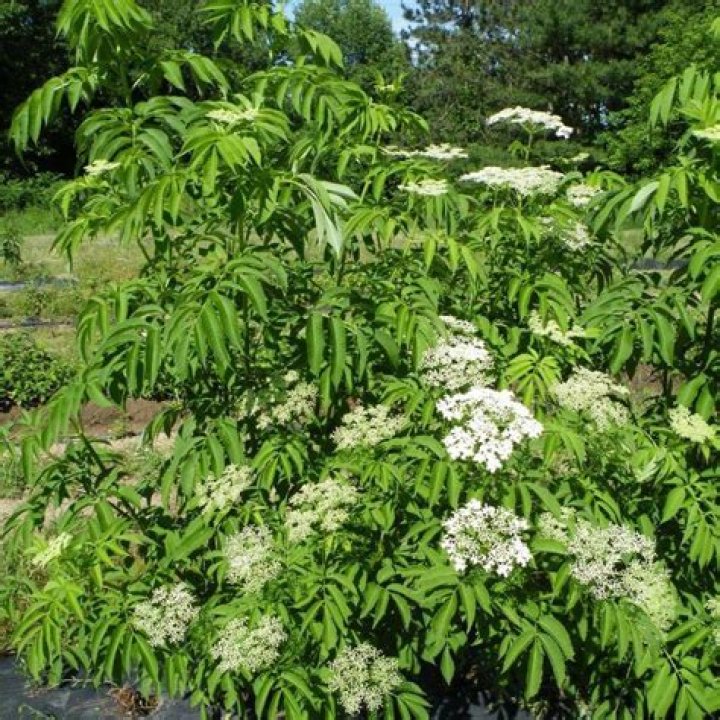
Thymus plant
Can Thyme grow in shade? If planted in shade, thyme may bloom less, but its intoxicating aroma and beauty will remain. Thyme grows better in diffused sunlight than in deep shade. It does not like damp places, but is ideal for dry partial shade. Go to step 5 of 5 below.
What is the important role of the thymus?
The thymus plays an important role in the formation and development of T lymphocytes or T cells, an extremely important type of white blood cell.
Is the thymus an exocrine gland?
The thymus gland is one of the endocrine glands in the human body. Endocrine glands differ from exocrine glands in that exocrine glands have ducts (so can be said to be ducted) and endocrine glands have no ducts (so can be said to be ductless).
Does the thymus gland produce antibodies?
Several hormones produced by the thymus promote the maturation of T cells before they enter the bloodstream. Now mature T cells circulate throughout the body, recognizing and destroying pathogens, activating B cells to produce antibodies and storing memories of previous infections.
How do you plant Thyme in shade?
Thyme Most thyme varieties tolerate partial shade. Allow the soil to dry out slightly between waterings. Try planting it with other flowers and herbs for a fragrant container.
Can you plant thyme between Pavers?
You can add this fragrant yet hardy herb between pavers if you have a shady seating area. If planted in shade, thyme may bloom less, but its intoxicating aroma and beauty will remain. Thyme grows better in diffused sunlight than in deep shade.
 Can you cook with thyme leaves?
You can use just the leaves or the whole stem with the leaves to make thyme. This cute herb grows best in a sunny spot in a dry spot. Tolerates shade, but will probably only flower if it gets some sun. It can be grown in cracks, borders, herb gardens and even a sunny window in your kitchen.
 Where is the best place to plant thyme?
Thyme grows better in diffused sunlight than in deep shade. It does not like damp places, but is ideal for dry partial shade. Thyme is a great addition, fresh or dried, to soups, stews, fish or meat dishes. Skip to 5 of 5 below.
Can you plant Thyme in the shade?
Shade-planted thyme may bloom less, but the intoxicating fragrance and beauty remains. Thyme grows better in diffused sunlight than in deep shade. It does not like damp places, but is ideal for dry partial shade. Thyme is a great addition, fresh or dried, to soups, stews, fish or meat dishes. Skip to 5 of 5 below.
What does thyme look like in the summer?
Many types of thyme also produce many white, pink, or purple flowers in summer. Grow thyme in well-draining soil in full sun. Some types of thyme are suitable for planting in gravel gardens, cracks in pavement or as an alternative to lawns. Others grow best in pots that can be brought indoors in the fall.
 Where do you plant creeping thyme?
Creeping thyme grows best in alkaline soil, so it is important to plant creeping thyme in well-draining soil. Like other herbs, creeping thyme does not need nutrient-rich soil.
 Can you grow Thyme in a pot?
Thyme grows well in near-dry conditions with minimal soil nutrients, so it won't grow in a container with other herbs. Here, Monty Don plants a pot of Mediterranean herbs, including thyme. Discover which herbs grow well with thyme and how to create the best growing conditions for them:
 Can thyme grow in shade in winter
Thyme grows well almost everywhere and can be grown as a perennial. It can survive drought and light frost, but needs some winter protection. Does well in full sun, but prefers some shade, especially in warmer regions.
Are there herbs that grow in shade?
There are annual and perennial herbs that grow in the shade. Don't just think about which herbs you want to have in your kitchen, but also consider planting annuals and perennials to reap the benefits of each.
What are the best herbs to grow in the winter?
In very cold weather, they burrow underground to stay safe and reproduce. 5. Salvia Salvia, unlike thyme, needs more care as it seems to grow more slowly than others as the leaves wilt during the winter season. 6. Mint Mint is a very potent herb, almost like thyme.
Can thyme grow in shade in pots
Where: Thyme likes full sun, but is not afraid of partial shade. Therefore, it is beneficial to keep the plant in a place where it will receive bright, direct light. It does well in pots and in the ground. Like rosemary and thyme, they both have the same growing requirements, you can combine them.
Does creeping thyme grow well in pots?
Introduction: Creeping thyme is a low-growing aromatic plant that can be used both as a ground cover and as a small ornamental plant in pots. It grows in a low, dense, dense mat that is spread in a pot over the ground until there is no more room to grow.
 Where does Thyme grow best?
Where: Thyme likes full sun, but is not afraid of partial shade. Therefore, it is beneficial to keep the plant in a place where it will receive bright, direct light.
Can thyme grow in shade in california
Plant thyme in full sun for best results, but you can still use some shade. You can really transcend style. It will suit a farmhouse, Southwestern/Mediterranean garden and can even be used with many California residents.
Where is the best place to plant creeping thyme?
In most climates, creeping red thyme grows best in full sun, but in warm climates it grows best in afternoon shade.
 Is creeping thyme drought tolerant?
Creeping red thyme is drought tolerant but may die in persistently wet conditions. The plants grow low to the ground, growing only 3 to 6 inches high, making them an effective ground cover. You can also use them as houseplants or grow them in containers. These perennials are a great choice whether you are in the city or in the countryside.
 What zone does white thyme grow in?
White and red thyme are suitable for zones 4 to 9. The soil is well-draining.
 Can thyme grow in shade in nj
Most thyme varieties tolerate partial shade. Allow the soil to dry out slightly between waterings. Try planting it with other flowers and herbs for a fragrant container.
When to plant Thyme Seeds?
When: Plant in spring or when the weather warms. Thyme can grow year-round as an evergreen in temperate climates. Propagation: Growing it from seed can be quite tricky like mint.
Where does creeping thyme grow?
Thyme is a plant native to parts of Eurasia. However, the popularity of this plant means that it grows in gardens all over the world today. North American gardens provide ideal growing conditions for creeping thyme, as pollinators and butterflies find the plants attractive.
Where do you plant wooly thyme?
Woolly thyme prefers USDA zones 6 through 8. Creeping thyme grows best in alkaline soils, and it is important to plant creeping thyme in a well-draining garden. Like other herbs, creeping thyme does not need nutrient-rich soil.
Can thyme grow in shade in summer
Yes. Thyme can grow in shade, but in partial shade rather than full shade, as it is a low-growing, hardy perennial. Thyme is an aromatic plant with small leaves and thin stems.
 What does thyme look like when it blooms?
The flowers of thyme plants can range in color from white to a shade of pink. Thyme can take over a growing area due to its tendency to seek shade in all directions. This grass grows low to the ground and often grows thickest in the shade of tall trees.
 What zone does Thyme grow best in?
Cumin thyme, creeping lemon thyme and pungent orange thyme are suitable for gardens and grow in USDA zones 5 through 9. White and red thyme are suitable for zones 4 through 9.
 Is creeping thyme a perennial or annual?
This perennial grows to a small height and then spreads in the form of a vine. Creeping thyme has finely textured foliage that drapes across the ground, producing flowers in different shades of color depending on the species. The vines begin to bloom from late spring to early summer.
 What role does the thymus play in the immune system?
Yes, the thymus is an important part of the immune system (not the endocrine system). This is important for the body because this is where the maturation of T cells takes place. These cells are responsible for your immune system's ability to fight infection and kill microorganisms.
 What does the thymus do in the immune system?
The thymus' role in the immune system is that of a primary lymphoid ■■■■■, meaning it produces white blood cells. However, the thymus is also the ■■■■■ in which immature white blood cells grow into a more specific type called T cells (thymic T cells).
 Is the thyroid and the thymus the same thing?
• The thymus is an ■■■■■ or gland of the lymphatic system and the thyroid gland is a gland of the endocrine system. • The thymus gland is located anatomically in the anterosuperior mediastinum, in front of the heart. In contrast, the thyroid gland is located in the neck, below the thyroid cartilage.
What activates the thymus gland?
How I do it: I usually start with a deep breath. Make a fist with your thumb on the outside of your index finger. Strike the sternum gently with the inside of your closed fist. This creates a vibration that stimulates the thymus gland. Quickly but gently tap your sternum 60 to 100 times in about 30 seconds.
What is the important role of the thymus gland
The thymus is a small ■■■■■ behind the sternum that plays an important role in both the immune and endocrine systems. Although the thymus begins to atrophy (rupture) during puberty, its influence on the production of T cells to fight infections and even cancer persists throughout life.
What is the function of the thymus in the immune system?
The thymus plays an important role in the development of a normal and healthy immune system. In particular, it is involved in the selection of lymphocytes (a subset of white blood cells) that help them defend ourselves against infection by protecting them against lymphocytes that could attack their own organs (an autoimmune disease).
What is the function of the thymus?
Answer: The thymus gland is an ■■■■■ in the body that controls immune processes. The thymus gland processes a type of white blood cell called lymphocytes. These T cells regulate cellular immunity, meaning they help cells recognize and destroy invading bacteria, viruses, abnormal cell growth such as cancer and foreign tissue.
 What hormones does the thymus gland produce?
The thyroid produces thyroxine (called T4), a relatively inactive prohormone. The highly active hormone is triiodothyronine (called T3). Together, thyroxine and triiodothyronine are known as thyroid hormones.
What is the important role of the thymus part
Before birth and during childhood, the thymus plays a key role in the production and maturation of T lymphocytes, or T cells, a type of white blood cell that protects the body from certain threats, including viruses and infections. The thymus produces and secretes thymosin, a hormone essential for the development and production of T lymphocytes.
What does the thymus do within the endocrine system?
In addition to its immune function, the thymus also produces hormones that promote growth and maturation. Thymic hormones act on structures of the endocrine system, including the pituitary and adrenal glands, to support growth and sexual development.
What other organs does the thymus work with?
The spleen and thymus are also lymphatic organs of the immune system. The tonsils are lymphoid organs that are also associated with the digestive system. Lymphoid tissues contain lymphocytes as well as other types of supporting cells.
What is the important role of the thymus hormone
Hormones are chemicals that affect the activity of another part of the body (the target site). Essentially, hormones serve as messengers that control and coordinate the activities of the entire body. (See also Endocrine glands.) Once the hormone has reached its destination, it binds to the receptor, much like putting a key in a lock.
 What is the thymus gland is and how it functions in the immune system?
The thymus gland is the main ■■■■■ of the lymphatic system. This gland is located in the upper part of the ■■■■■■ and its main function is to promote the development of specific cells of the immune system called T lymphocytes.
 What is the important role of the thymus cortex
What is the fear? The epithelial cells of the thymus gland secrete hormones called thymosins, which influence the production and differentiation of certain white blood cells (lymphocytes) and stimulate the maturation of T lymphocytes. Therefore, the thymus gland plays an important role in immunity.
 Why do T cells have receptors in the thymus gland?
Thymic cells (such as epithelial cells) also have receptors that allow other hormones to regulate their function. The resulting mature T cells perform several important functions. T cells are part of the adaptive immune system, where each T cell is trained to recognize a specific antigen.
What is the function of thymus in elderly?
What is the fear? In the elderly, fat (fatty tissue) and connective tissue replace the lymphatic tissue in the thymus. The lobes of the thymus contain many lymphocytes. Most of these cells (thymocytes) are inactive, but some become T lymphocytes (T cells), which leave the thymus and provide immunity.
Where is the thymus gland located in the brain?
The thymus gland is located in the mediastinum behind the sternum. It consists of two equal parts. Each lobe is divided into a central medulla and a peripheral cortex. The thymus gland is the largest and most active in the neonatal and preadolescent period.
What is the purpose of the thymus?
The thymus gland is an important part of the body's immune system. During fetal development and childhood, the thymus is involved in the production and maturation of T cells (also called T cells), a type of white blood cell.
 What is the function of the thymus in the lymphatic system?
Although the thymus contains glandular tissue and produces various hormones, it is much more involved in the immune system than in the endocrine system. The thymus plays an important role in the formation and development of T lymphocytes or T cells, an extremely important type of white blood cell.
What happens when the thymus is removed?
The thymus functions observed so far mainly affect newborns. Removing the ■■■■■ in adults is ineffective, but when the thymus is removed in newborns, the T cells in the blood and lymph tissue become depleted and the immune system fails, leading to progressive and deadly debilitating disease.
 Why is the thyroid gland considered to be an endocrine ■■■■■?
The thyroid is a butterfly-shaped ■■■■■ located at the base of the neck. It releases hormones that regulate metabolism, causing your body to use up energy. Thyroid hormones regulate vital bodily functions, including: Respiration.
 Is the thymus an exocrine gland or ■■■■■
Although the thymus gland is considered an endocrine gland, it is the main ■■■■■ of the lymphatic system. Its main function is to stimulate the development of specific white blood cells called T lymphocytes. The thymus produces several hormones, including thymosin, which boosts the immune response by promoting the production of antibodies.
 Is the thymus an exocrine gland or cyst
A thymus cyst is an epithelially lined cyst involving the thymus gland. These cysts are often divided into congenital or acquired types.
What is the thymus gland?
The thymus is a small ■■■■■ behind the sternum that plays an important role in both the immune and endocrine systems.
What are the different disorders of the thymus?
DISEASES AND CONDITIONS 1 Thymus hypoplasia/aplasia. The developmental disorder known as DiGeorge syndrome is a rare disease characterized by a significant decrease or absence of thymic function. 2 Follicular hyperplasia of the thymus. 3 thymus cysts. 4 tumors of the thymus.
Where is thymic tissue found in the body?
Thymic tissue may be scattered over or around the gland and sometimes in the thyroid gland. The thymus gland in children is extended upward in various ways, sometimes to the level of the thyroid gland. Schematic representation of the development of branchial epithelial bodies from the fetal thoracic cavity.
 Is the thymus an exocrine gland or duct
The kidneys, thymus, and ■■■■■■ are secondary endocrine glands. The major endocrine glands are shown in figure 1. What are the exocrine glands? Exocrine glands are a type of gland that secretes enzymes through a duct on the surface of the body. The main exocrine glands are the sweat glands, the sebaceous glands and the mammary glands.
Is the thymus an exocrine gland called
The pancreas is both an exocrine and an endocrine gland. Which of the following glands is both an endocrine gland and a lymphoid ■■■■■? Although the thymus is only active until puberty, its dual function as a hormone and lymph node plays an important role in your long-term health.
 What does the thymus gland do in the endocrine system?
The thymus gland is very active from birth to puberty and functions both as a lymphatic ■■■■■ and as an endocrine ■■■■■ (an ■■■■■ of the endocrine system that produces hormones). To understand the thymus' role in immunity, it is helpful to first distinguish between T cells and B cells.
 Is the thyroid gland endocrine or exocrine?
Is the thyroid gland an endocrine or an exocrine gland? endocrine glands. The thyroid is an endocrine gland. The endocrine glands produce hormones and release them directly into the bloodstream (without conductors). Hormones affect other cells in the body.
 What are the two parts of the thymus?
The thymus gland consists of two irregularly shaped parts connected by a connective tissue capsule. Each part is partially divided by connective tissue septa into lobes, consisting of an inner medulla that fuses with the medulla of adjacent lobes, and an outer cortical part. Synonym(s): Thymus.
Is the thymus considered a lymphoid ■■■■■?
The thymus gland is considered a lymphoid ■■■■■ (an ■■■■■ of the immune system), similar to the tonsils, tonsils, and spleen.
Is the thymus an exocrine gland or tumor
Thymoma and thymic carcinoma, also called thymic epithelial tumors (TETs), are two rare cancers that can form in the cells that line the outer surface of the thymus gland. The thymus is a small ■■■■■ located in the upper chest, above the heart and below the sternum.
 What is thymus gland cancer?
Most types of thymic cancer are called thymomas. There is also a much rarer form of thymic cancer called thymic carcinoma. The thymus gland is located in the chest, between the lungs. A gland is an ■■■■■ in the body that produces and releases substances such as hormones.
Where is the thymus gland located in the human body?
thymus The thymus gland is located in the chest, between the lungs. A gland is an ■■■■■ in the body that produces and releases substances such as hormones. The thymus is involved in the development of white blood cells called T lymphocytes.
 What are the types of thymic tumors?
Types of Thymic Tumors Tumors of the thymus are rare and account for less than 1% of all cancers. There are three types. Thymoma About 90% of tumors that develop in the thymus are thymomas. These tumors start in the cells that line the outside of the thymus gland and tend to grow slowly.
 What is a thymoma?
Thymomas are tumors that arise in the epithelial cells of the thymus gland and can be benign (usually harmless) or malignant (cancerous). They can occur in the usual site of the thymus in the mediastinum, as well as other sites where the thymus is sometimes found, such as the neck, thyroid, or lungs.
 What is the function of the thymus gland Quizlet?
Functions of the thymus 1 Production and processing of T cells The gland produces T cells to stimulate your immune system. 2 Secretion of thymopoietin One of the functions of the thymus gland is the production of the hormone thymopoietin. 3 Prevent abnormal cell growth
 What hormones are produced by the thymus gland?
The thymus gland can produce small amounts of certain hormones that are produced in other parts of the body, such as melatonin and insulin. Thymic cells (such as epithelial cells) also have receptors that allow other hormones to regulate their function. The resulting mature T cells perform several important functions.
What are the different types of cells in the thymus?
Thymic cells 1 Epithelial cells: cells that line the surfaces and cavities of the body. 2 Kulchitsky cells: cells that are hormone-producing thymus cells or neuroendocrine cells. 3 Thymocytes: cells that develop into mature T lymphocytes.
 Does the thymus gland produce antibodies mean
Its main function is to produce cells that invade your organs and protect you from antibodies and germs. Here you can learn more about the functions of the thymus gland. 1. Production and processing of T cells Iron produces T cells to stimulate your immune system.
 What hormone is secreted from the thymus gland?
Thymopoietin secretion One of the functions of the thymus gland is the production of the hormone thymopoietin. It is actually a protein found on messenger RNA (mRNA) and encoded by the TMPO gene. At the same time, the gland produces the hormone thymosin, which plays an important role in stimulating lymphocytes and other lymphoid organs.
What is the thymus and where is it located?
The thymus gland is located in the upper front (anterior) part of the chest, just behind the sternum and between the lungs. The pink-gray ■■■■■ consists of two lobes of the thymus gland. The thymus reaches its maximum weight (about 1 ounce) at puberty. Thymosin stimulates the development of T lymphocytes.
 Function of the thymus gland
One of the functions of the thymus gland is to produce the hormone thymopoietin. It is actually a protein found on messenger RNA (mRNA) and encoded by the TMPO gene. At the same time, the gland produces the hormone thymosin, which plays an important role in stimulating lymphocytes and other lymphoid organs.
What hormone does the thymus secrete?
After puberty, the thymus gland gradually begins to shrink and is replaced by fat. Thymosin is a hormone produced by the thymus gland that stimulates the development of disease-fighting T cells.
What is the pituitary gland and what is its function?
The pituitary gland is part of your endocrine system. Its main function is to release hormones into the bloodstream. These hormones can affect other organs and glands, especially the thyroid. reproductive organs.
 What happens to white blood cells in the thymus?
During childhood, white blood cells called lymphocytes pass through the thymus gland, where they become T cells. When the T cells in the thymus are fully mature, they constantly move to the lymph nodes (groups of cells in the immune system). body, where they help the immune system fight disease.
 What are the symptoms of a bad adrenal gland?
- Fatigue
- pain
- unexplained weight loss
- low bloodpressure
- Lightheadedness
- hair loss
- Change in skin color (hyperpigmentation)
 What is the adrenal gland, and what does it do?
Each adrenal gland is made up of two separate parts: the outer part, called the adrenal cortex, and the inner adrenal medulla. The adrenal glands secrete various hormones that act as chemical messengers. These hormones travel through the bloodstream and act on various tissues in the body so that they can function normally.
What are the problems with the adrenal gland?
adrenal function. Adrenal androgen hormones usually cause problems when women produce too much of them. The bone marrow is responsible for the production of adrenaline and noradrenaline (adrenaline), which affect blood pressure, the heart and metabolism. Excessive spinal function will cause problems.
 How can i Improve my adrenal gland?
Including certain foods in your diet can help strengthen and cleanse your adrenal glands. According to Natural Ways, the best way to do this is by eating whole foods. Whole foods are generally not processed or refined and contain very few ingredients.
 Does the thymus gland produce antibodies to viruses
B cells are cells that produce antibodies, proteins that attack viruses and bacteria. Myoid cells are muscle cells. Scientists think they trigger an autoimmune response in muscle diseases. This list shows how complex the thymus gland's job is. His role also changes throughout his life.
 What do anti-titin antibodies tell them about the prognosis of thymus?
In general, anti-titin antibodies correlate with disease severity and can identify patients most likely to be resistant to therapy, including thymectomy.
 What is the thymus and why is it important?
The thymus provides an inductive environment for T cell development from hematopoietic progenitor cells. In addition, stromal cells of the thymus allow the selection of a repertoire of functional and self-tolerant T lymphocytes. Therefore, one of the most important functions of the thymus is the induction of central tolerance.
 What do you need to know about the thymus?
- The thymus gland, located behind the sternum and between the lungs, is only active until puberty.
- After puberty, the thymus gland gradually begins to shrink and is replaced by fat.
- Thymosin is a hormone produced by the thymus gland that stimulates the development of disease-fighting T cells.
 What are facts about the thymus gland?
The thymus gland is a pink lobular lymphoid ■■■■■ located in the chest cavity and neck. In adolescents, this is the development of the immune system. After puberty, the size decreases and is slowly replaced by fat. Embryologically, the thymus gland originates from the third pharynx.
What is Thymus vulgaris (thyme)?
Thymus vulgaris is a flowering plant of the mint family, commonly known as thyme, native to southern Europe and distributed throughout the world (Hosseinzadeh et al, 2015). The plant is native to the Mediterranean region and neighboring countries, North Africa and parts of Asia.
What is Thymus vulgaris essential oil good for?
Thyme is also thought to boost the immune system, improve liver health and reduce pain. When applied to the scalp, the essential oil of Thymus vulgaris is said to promote hair growth and help treat alopecia areata.
 What are the side effects of Thymus vulgaris?
Thyme vulgaris has been found to cause several side effects, including stomach upset. There is also concern that thymus vulgaris may interfere with blood clotting. Therefore, it is important to avoid using Thymus vulgaris for at least two weeks before surgery.
What is thyme used for?
Frequently Asked Questions Thyme (Thymus vulgaris), an herb from the mint family, is often used as a spice in cooking. In addition to taste, the plant also has medicinal properties.
How do you take care of a thyme plant?
Thyme and other members of the genus Thymus (of the mint family) are quite easy to care for. If you are growing it for culinary purposes, it is best to halve the plant after flowering to preserve the strong aroma of the thyme leaves.
 Is thymus a herb or a plant?
Thyme is an unpretentious undersized perennial herbaceous plant. They are evergreen and bloom from late spring to early summer, when they bear small pink, white or purple flowers. Some common names for thyme are thyme, silver thyme, and mother thyme. Thyme is often grown as an herb.
How do you grow woolly thyme?
There are plants you just want to touch, and woolly thyme (Thymus pseudolanuginosus) is one of them. Woolly thyme is a perennial that is used in medicine, cooking and for ornamental purposes. Try growing woolly thyme in cracks between pavers, along a gravel driveway, or as part of a xeriscape or drought-tolerant garden.
 What are the treatments for grey mold on thyme leaves?
Characterized by gray scaly spores on thyme leaves. The only cure for gray mold is to remove the infected stems or discard the plant. Thyme is also susceptible to whiteflies and mealybugs when kept indoors.